

Community & Corporate Social Responsibility
Mining for the People, With the People, By the People
The land belongs to the people—and the minerals beneath it should enrich their lives
At Mackondor Mining (SL) Limited, we believe that mineral wealth is a shared resource. Our Community and Corporate Social Responsibility (CSR) programs are designed to ensure that the benefits of mining flow directly to the landholding families, local communities, and future generations who call our operational areas home. We do not extract from communities—we invest in them.
This principle guides every interaction we have with host communities, from the initial consultation phase through exploration, production, and eventual site closure. We view community members not as stakeholders to be managed, but as partners in a shared enterprise of sustainable development.
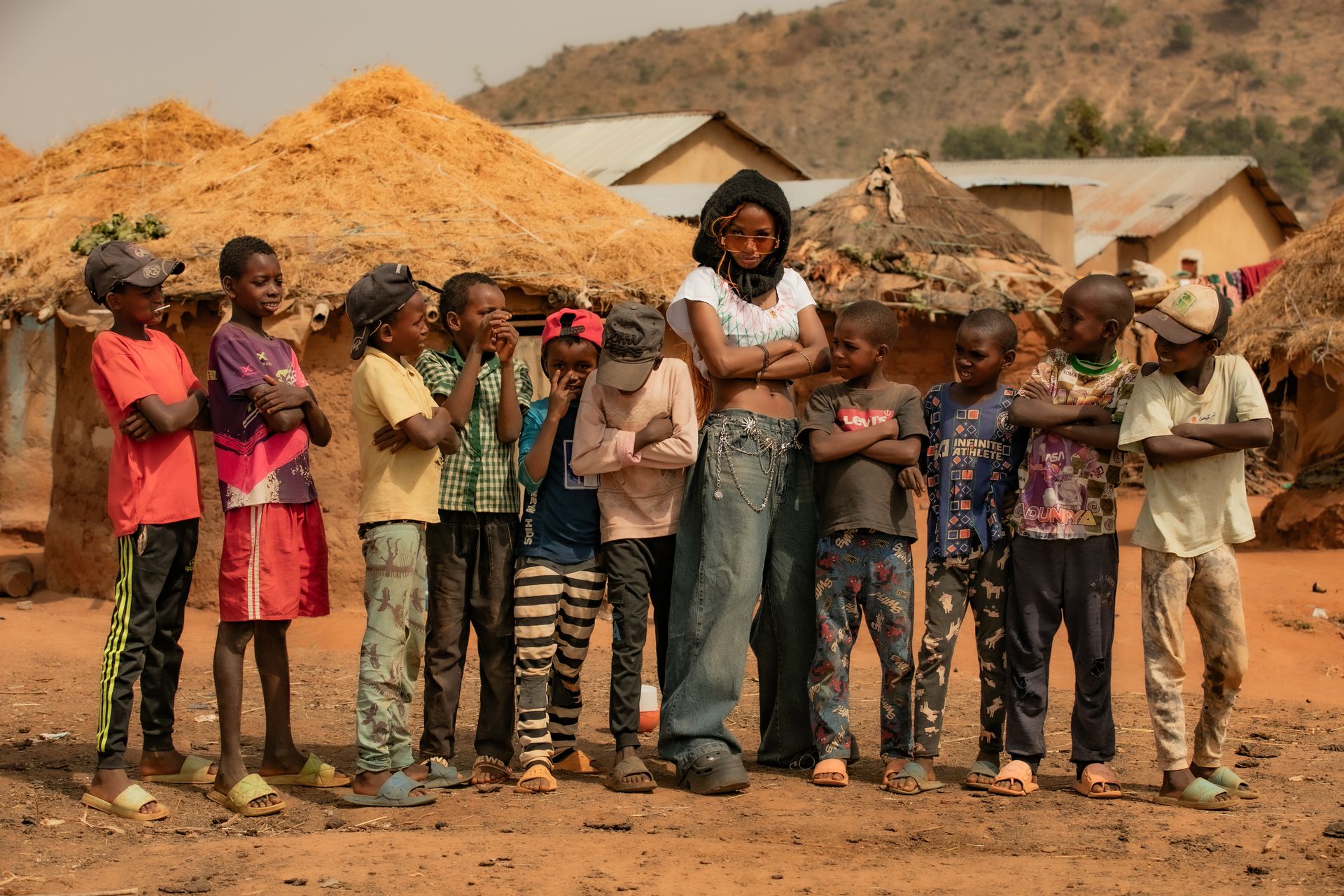

Five commitments we hold
in every community
We recognize and honor customary land tenure systems, traditional authority structures, and the historical relationship between communities and their ancestral lands.
No exploration or extraction activity begins without the genuine, documented consent of affected communities, obtained through transparent dialogue and independent facilitation.
Revenue, employment, and development benefits are distributed fairly among landholding families, community members, and local institutions.
Our community programs are designed for sustainability, ensuring that benefits continue even after mining operations conclude.
We respect local customs, languages, religions, and social norms, integrating cultural competence into all community engagement activities.
Honoring those who
steward the land
The Landholding Family Loyalty Program is the cornerstone of Mackondor Mining’s community engagement strategy. We recognize that landholding families are the original custodians of the mineral resources we extract, and they deserve direct, meaningful, and sustained benefits from mining activities on their ancestral lands.
Structured royalty payments to landholding families based on production volumes and mineral values. These payments are transparently calculated, regularly disbursed, and independently audited to ensure fairness.
Landholding family members receive first preference for employment opportunities across all operational levels—from unskilled labor and security to technical and supervisory roles. We provide comprehensive training to ensure family members can advance within the company.
Full-tuition scholarships for children and dependents of landholding families, covering primary, secondary, and tertiary education. Scholarship recipients also receive textbooks, uniforms, and transportation allowances.
Free annual health screenings, emergency medical coverage, and subsidized healthcare for all members of landholding families. We also support the construction and staffing of community health posts.
Construction and maintenance of durable housing for landholding families affected by relocation, along with access to clean water, sanitation, and electricity.
Post-mining land restoration support, including soil remediation, provision of high-yield seeds, farming tools, and agricultural training to restore livelihoods after extraction concludes.
Active protection of sacred sites, burial grounds, and cultural landmarks during all phases of operation. We fund the documentation and preservation of oral histories and traditional knowledge.
Building capacity,
creating opportunity
Education & Human Capital Development
- 01School Construction & Renovation
Building and equipping primary and secondary schools in host communities, with trained teachers and adequate learning materials.
- 02Adult Literacy Programs
Evening and weekend literacy classes for adults who missed formal education opportunities.
- 03Vocational Training Centers
Skills training in carpentry, masonry, electrical work, plumbing, tailoring, and mining-related trades to enhance local employability.
- 04ICT & Digital Literacy
Computer labs and internet connectivity to bridge the digital divide and prepare youth for the modern economy.
- 05Scholarship Endowment Fund
A dedicated fund providing sustained financial support for academically gifted students from host communities.
Healthcare & Wellness
- 01Community Health Posts
Construction and operation of primary healthcare facilities staffed by qualified nurses and community health workers.
- 02Maternal & Child Health
Antenatal care, safe delivery services, immunization programs, and nutrition support for mothers and children.
- 03Malaria & Disease Prevention
Distribution of insecticide-treated bed nets, community sanitation campaigns, and access to essential medications.
- 04Clean Water & Sanitation
Borehole drilling, well rehabilitation, and construction of latrines to reduce waterborne diseases.
- 05Mental Health & Counseling
Community-based counseling services to address the psychological impacts of displacement and social change.
Infrastructure & Economic Development
- 01Road Construction & Maintenance
Building all-weather roads connecting communities to markets, schools, and healthcare facilities.
- 02Bridge Construction
Safe river crossings to improve mobility during rainy seasons.
- 03Market Development
Construction of community markets to support local trade and commerce.
- 04Agricultural Extension Services
Training in modern farming techniques, irrigation, and crop diversification to enhance food security.
- 05Microfinance & Cooperative Support
Seed capital and business training for women and youth entrepreneurs.
- 06Sports & Recreation
Construction of football pitches, community centers, and recreational facilities to promote social cohesion and youth development.
Environmental Stewardship
- 01Progressive Rehabilitation
We rehabilitate mined land as operations progress, not after closure. This includes backfilling, topsoil replacement, reforestation, and watershed restoration.
- 02Water Conservation
Implementation of closed-loop water recycling systems, sedimentation ponds, and groundwater monitoring to protect community water sources.
- 03Biodiversity Protection
Identification and protection of critical habitats, endangered species corridors, and ecologically sensitive areas within and around concession boundaries.
- 04Waste Management
Proper segregation, treatment, and disposal of mining waste, including hazardous materials, in compliance with national and international standards.
- 05Air Quality Monitoring
Regular monitoring of dust, emissions, and particulate matter to protect community health and agricultural productivity.
- 06Climate Action
Investment in carbon offset programs, renewable energy for camp operations, and reforestation initiatives to mitigate our carbon footprint.
Community projects
on the ground
Photographs of school construction, health posts, and agricultural training are to be supplied by the client. Verified impact figures will be published here as counters once the client provides them.
Partner with us on community development
We work with community leaders, NGOs, and local government on programs that outlast the mine.